
Balita
Maaaring magbigay ang Xindi sa mga customer ng personalized, mataas na kalidad na mga produkto at serbisyo upang matugunan ang mga pangangailangan ng iba't ibang mga merkado at mga customer.
Acne patches are small, adhesive hydrocolloid stickers designed to absorb excess fluid, pus, and sebum from pimples while creating a protective barrier against bacteria and the urge to pick. Originally developed from wound-care technology, hydrocolloid patches work by drawing out impurities from whiteheads and early-stage pustules, flattening the blemish faster than most topical treatments alone. Over the past few years, the market has expanded well beyond simple clear dots — today you can find overnight acne patches loaded with active ingredients, waterproof acne patches built for sweaty or active lifestyles, and even large-format patches designed to treat acne on the back. Understanding the core mechanism helps you pick the right patch for your specific concern.
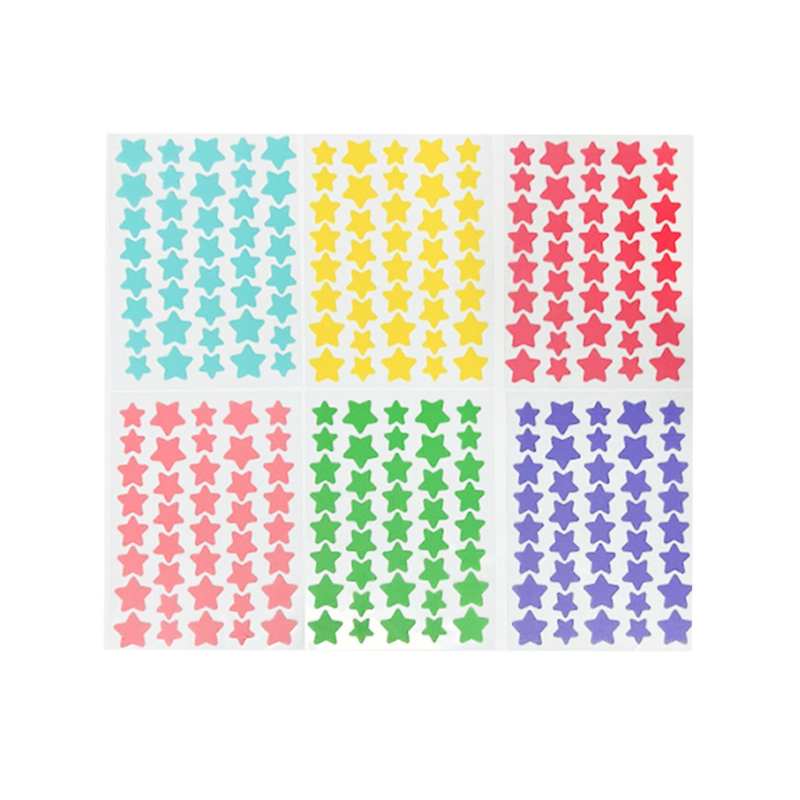
Overnight acne patches are engineered for extended wear — typically six to eight hours — and often contain a more potent roster of active ingredients than daytime variants. Because your skin goes into repair mode while you sleep, pairing that natural regenerative cycle with a targeted patch can dramatically accelerate healing. Many overnight formulas combine the standard hydrocolloid base with extras like salicylic acid (0.5–2%), niacinamide, tea tree oil, or microneedle technology that delivers actives directly into the skin.
For best results, apply an overnight acne patch to clean, completely dry skin immediately before bed. Moisture on the skin surface weakens adhesion and reduces absorption efficiency. Remove the patch in the morning — a white, opaque appearance means it has successfully absorbed fluid from the blemish.
Standard hydrocolloid patches can peel, slide, or lose adhesion when exposed to sweat, swimming, or even a thorough face wash. Waterproof acne patches solve this by using a stronger medical-grade adhesive layer and a more flexible, water-resistant film. They are particularly valuable for athletes, gym-goers, people who work in humid environments, and anyone who simply doesn't want their patch falling off mid-day.
A genuinely waterproof acne patch features a polyurethane or polyethylene film backing rather than a basic fabric or hydrocolloid layer alone. The adhesive must be rated for wet conditions — look for terms like "water-resistant seal," "sport-grade adhesion," or patches marketed for wound care in active settings. Some brands reinforce edges to prevent corner lift. When shopping, test claims by checking whether the product specifies it can withstand showering or swimming for a defined duration (30 minutes to two hours is common for high-quality options).
Teenagers are among the most frequent acne sufferers due to hormonal fluctuations that spike sebum production. Acne patches for teens offer a compelling advantage over harsh topical treatments like benzoyl peroxide or prescription retinoids: they are largely gentle, non-irritating, and require no complicated routine. They also physically prevent picking, which is one of the leading causes of acne scarring in adolescents.
Teen skin is often more reactive and sensitive than adult skin, so it's important to avoid patches with excessive active ingredients initially. A plain hydrocolloid patch is a safe and effective starting point. Once tolerance is established, patches with low-concentration salicylic acid (0.5%) can be introduced for more stubborn blemishes. Teens should also look for patches with a matte or skin-toned finish so they can be worn discreetly to school or social settings without drawing attention.
Back acne, colloquially known as "bacne," presents unique challenges. The skin on the back is thicker, contains a higher density of sebaceous glands, and is constantly subjected to friction from clothing, backpacks, and sweat. Standard face-sized patches are far too small to be practical for back blemishes. Acne patches for the back come in larger formats — some covering several centimeters — and must contend with greater movement, sweat, and the difficulty of self-application.
Because the back flexes significantly with movement, patches designed for this area use more elastic, flexible backing materials that move with your body without peeling at the edges. Many are also designed with a stronger waterproof adhesive, since back sweat is a major factor. Some products come in sheet or strip formats that can cover a broader affected area at once, while others are large individual dots (20mm–40mm diameter). For cystic back acne, microneedle patches are particularly effective since they can penetrate the thicker skin of the back more efficiently than plain hydrocolloid.
Face acne patches are the most diverse category, spanning from micro-sized 8mm dots for pinpoint treatment to larger 20mm+ patches for expansive cystic areas. The face is where acne patches have the greatest variety of formulations, sizes, and finish options — including translucent, matte, skin-toned, and even decorative star or heart shapes. For face use specifically, the aesthetic and comfort of the patch matters just as much as its efficacy, since most people want to wear them during the day without feeling self-conscious.
| Blemish Type | Recommended Patch Type | Key Benefit |
| Whitehead / Pustule | Plain hydrocolloid patch | Absorbs fluid and flattens blemish overnight |
| Blackhead / Clogged pore | Salicylic acid patch | Dissolves debris inside the pore |
| Deep cystic acne | Microneedle patch | Delivers actives below the surface |
| Red, inflamed spot | Cica or niacinamide patch | Calms redness and reduces post-inflammatory marks |
| Daytime wear concern | Skin-toned or ultra-thin patch | Nearly invisible under or without makeup |
Yes — many face acne patches are specifically designed to be worn under or over makeup. Ultra-thin patches with a smooth matte surface can be concealed with foundation and setting powder. However, it is worth noting that pressing foundation over a patch with a brush or sponge can sometimes lift the edges. Using a clean fingertip to lightly dab product over the patch is the most gentle application method. Avoid liquid or cream products that might seep under the patch edges and reduce adhesion.
Even the best acne patch won't deliver results if applied incorrectly or used in the wrong situation. Understanding what not to do is just as important as knowing best practices.
Acne patches work best as a targeted spot treatment within a broader, consistent skincare routine — not as a standalone solution for acne-prone skin. An effective routine that incorporates patches looks something like this: cleanse twice daily with a gentle, non-comedogenic cleanser; apply a lightweight, oil-free moisturizer to maintain the skin barrier; use a broad-spectrum SPF 30+ sunscreen in the morning; and apply patches at night to active blemishes after your routine has fully absorbed. If you use active serums like retinol or AHAs, apply the patch after these steps to avoid layering interactions. Over time, combining patches with preventative ingredients like niacinamide and azelaic acid will reduce the frequency of new breakouts, meaning you'll need fewer patches overall.
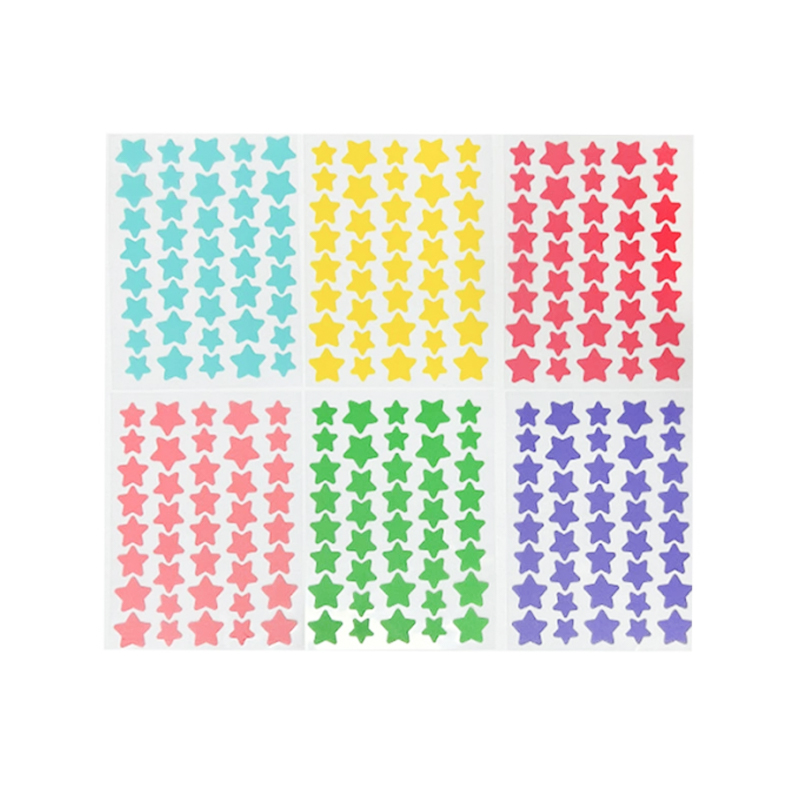 Sumisipsip, Nakaka-moisturize at Hindi Nakakairita na Hydrocolloid Acne Patch
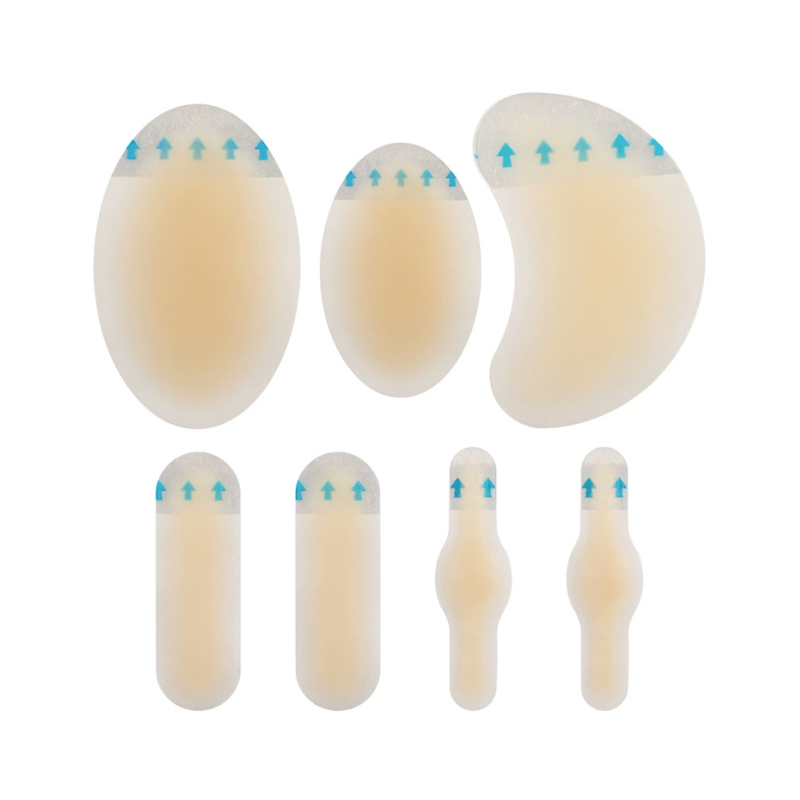 Cushioning, Pagbabawas ng Pressure, Makahinga at Kumportableng Patch sa Takong
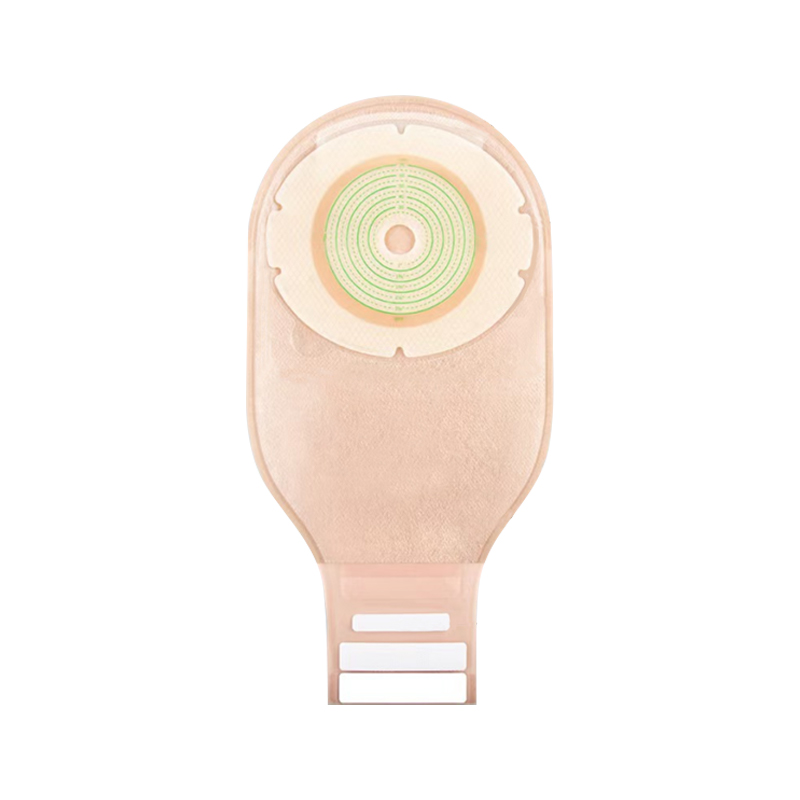 Malambot na Waterproof at Odor Control Ostomy Pouch
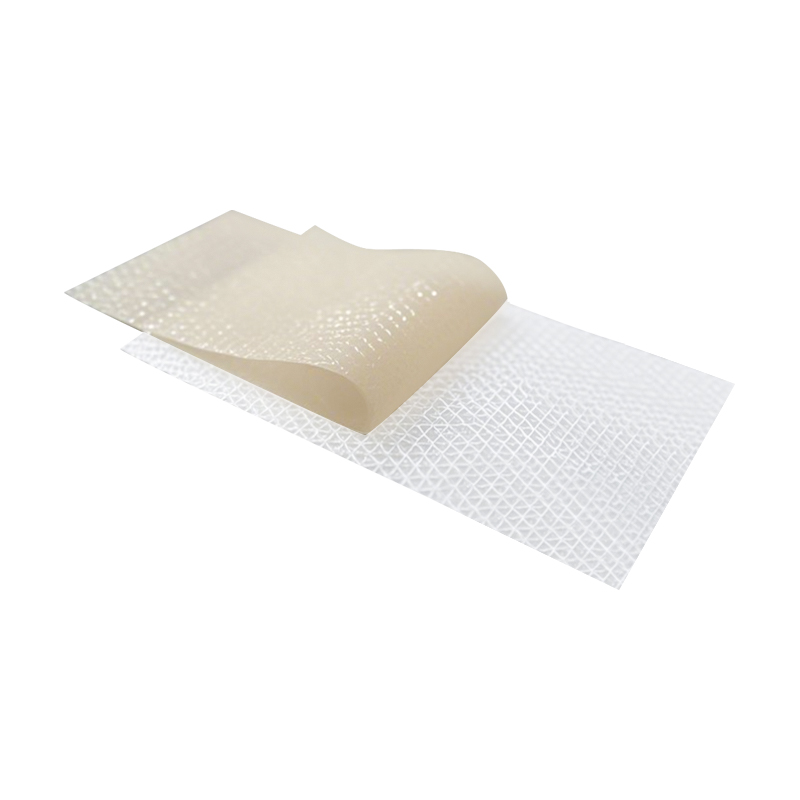 Malawakang Ginagamit na Waterproof At Dustproof Silicone Scar Sheet
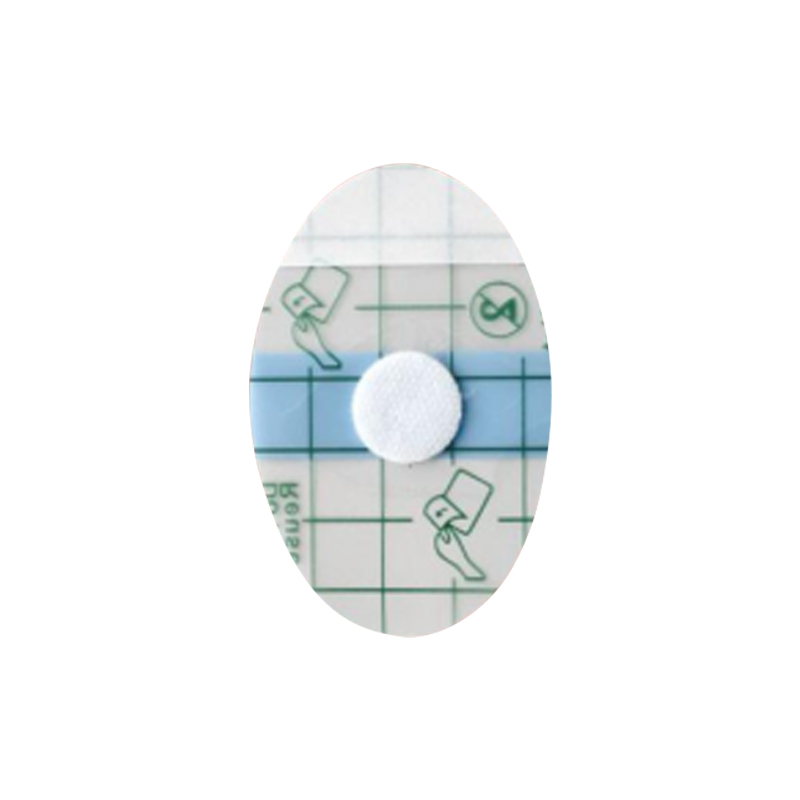 Hypoallergenic Breathable Waterproof Ear Patches
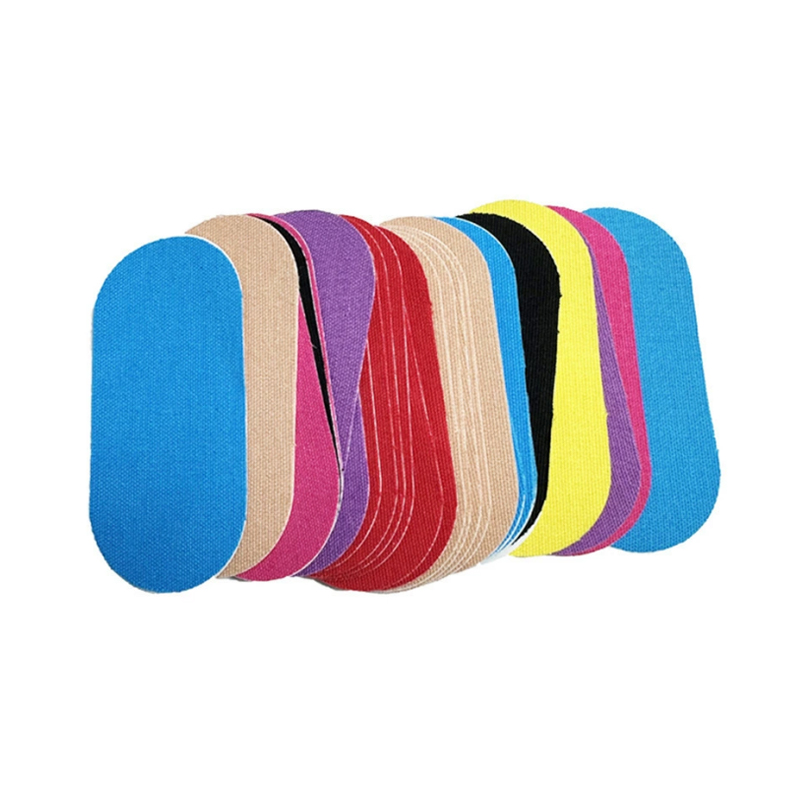 Malakas na Pandikit At Walang Gamot na Anti-Snoring Patch
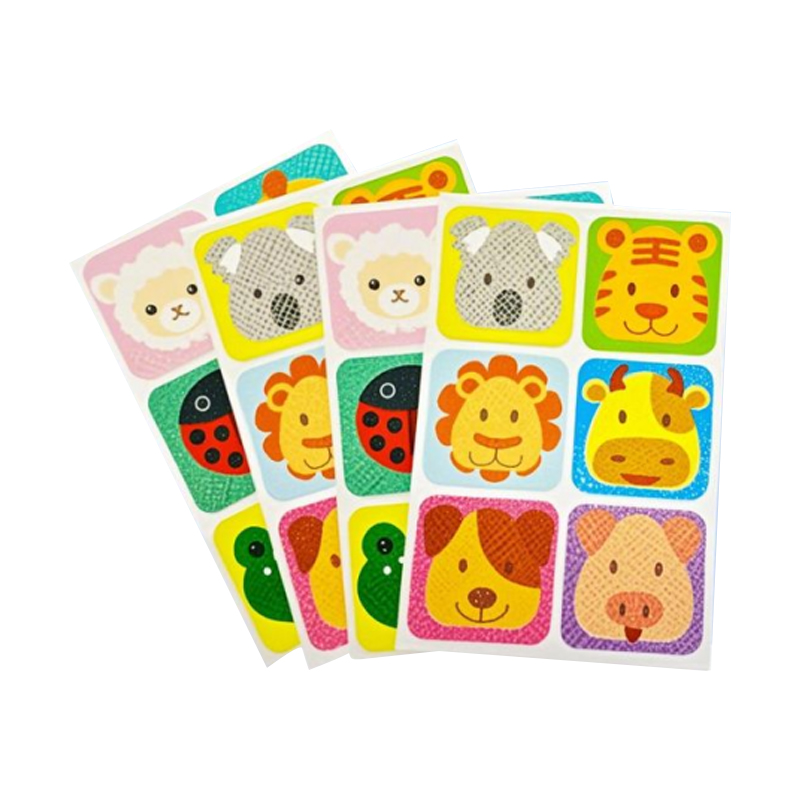 Pangmatagalang Mosquito Repellent, Ligtas at Magiliw na Mga Sticker ng Pang-alis ng Lamok
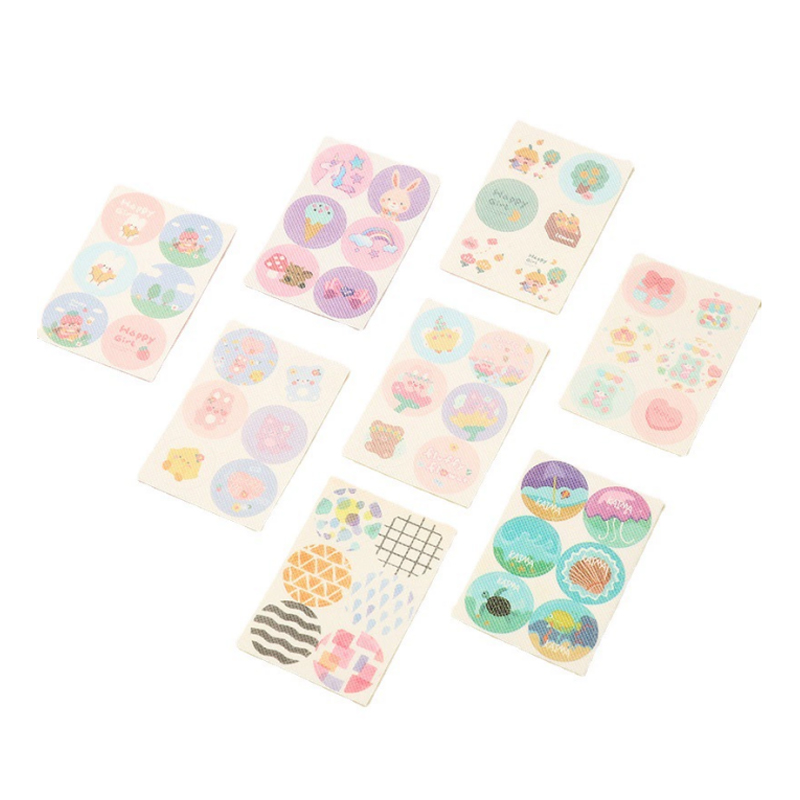 Nakapapawing pagod At Anti-Pangangati, Malumanay At Hypoallergenic na Nakapapawing pagod na Sticker
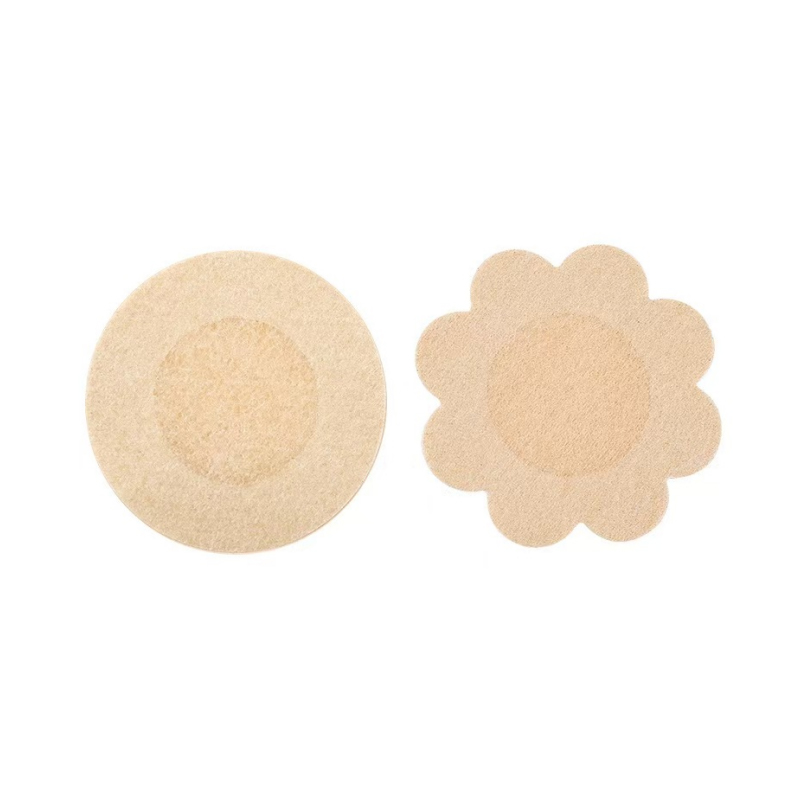 Invisible Non-Slip At Pawis-Proof Nipple Covers
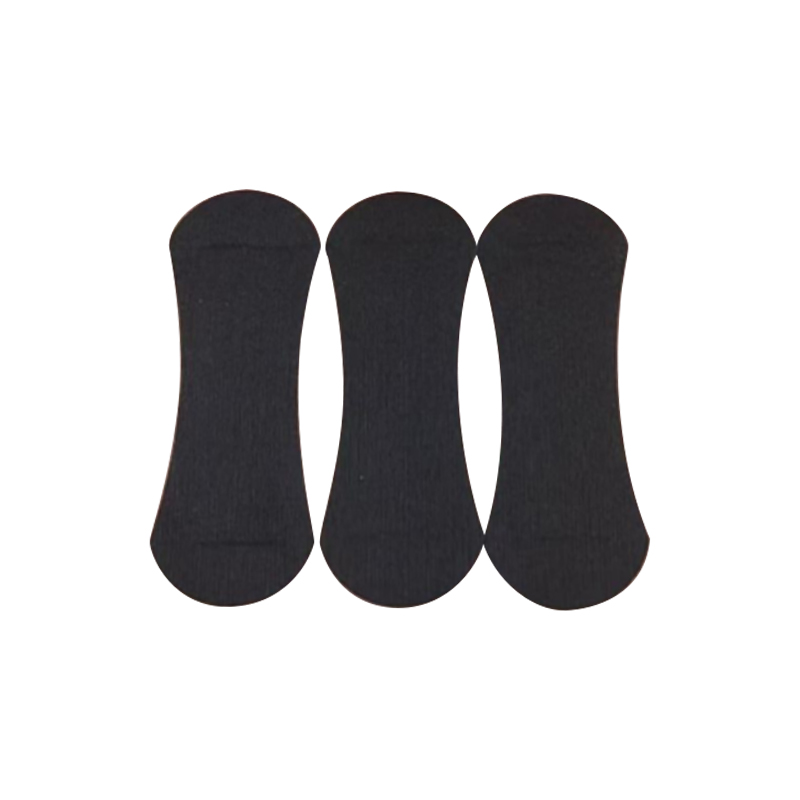 Portable na Disenyo At Reusable na Ventilation Nose Strips
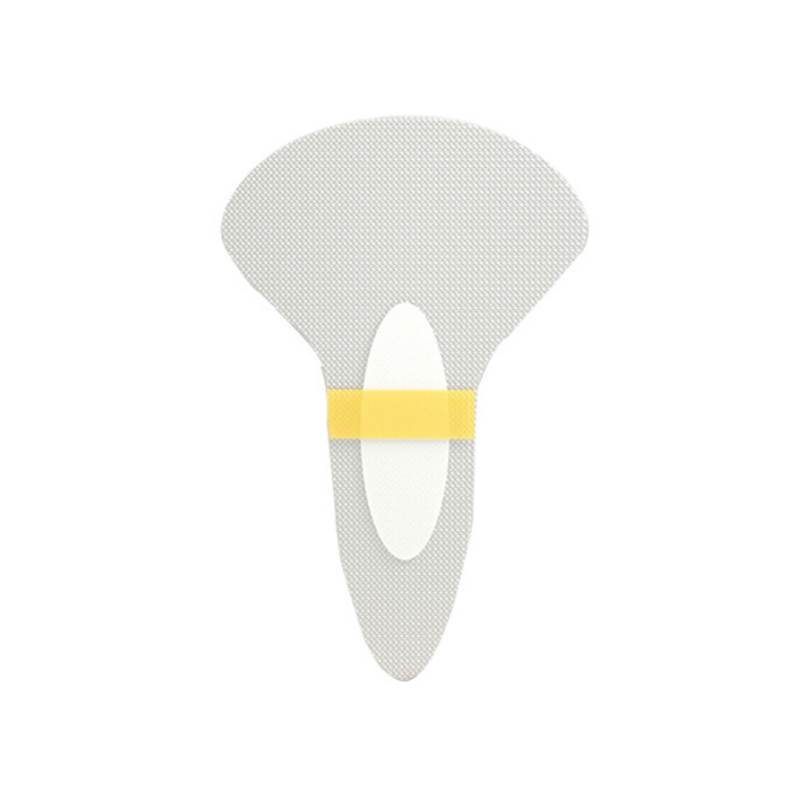 Breathable Comfort Fit Swimming Private Patches
 Malakas na Adhesion Waterproof At Sweatproof na Anti-Exposure Sticker
Copyright © 2024 by Wuxi Xindi Medical Technology Co., Ltd. Lahat ng Karapatan ay Nakalaan.
